



Explore the UK Political Landscape: Understanding Government Structure, Parties, Elections, and Housing Impact
The UK political landscape is a complex and dynamic system that shapes the lives of its citizens, particularly in areas such as housing and real estate. Understanding the structure of the UK government, the roles of its political parties, and the electoral process is essential for grasping how policies are formed and implemented. This article will explore the intricacies of the UK government, the main political parties and their housing policies, the election process, recent legislative changes, and the historical context that has influenced current housing trends. By delving into these topics, readers will gain insights into how political decisions impact the housing market and property investment in the UK.
How is the UK Government Structured and What Are Its Roles?
The UK government operates under a parliamentary system, which is characterized by a division of powers among various branches. The primary institutions include the UK Parliament, which consists of two houses: the House of Commons and the House of Lords. Each plays a crucial role in the legislative process, influencing the creation and implementation of laws that affect various sectors, including housing.
What are the functions of the UK Parliament’s Houses of Commons and Lords?

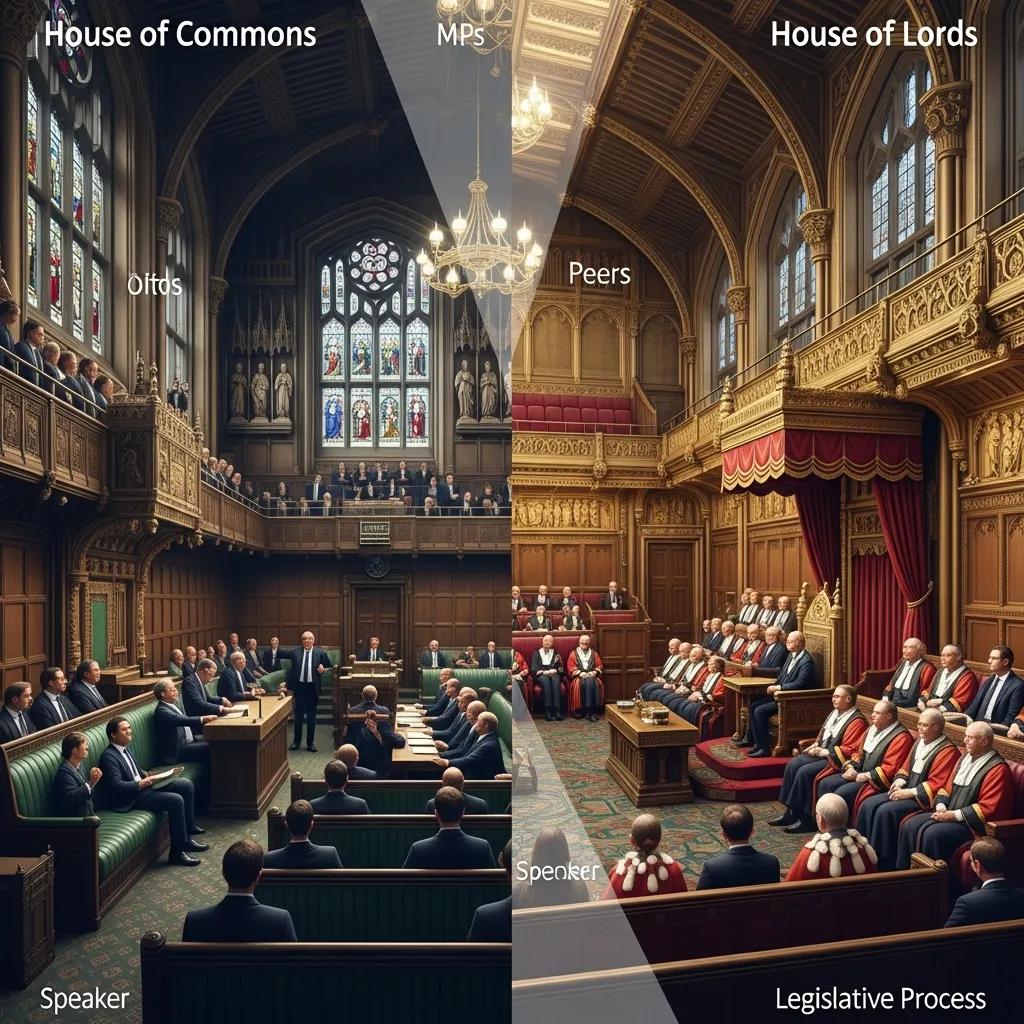
The House of Commons is the lower house of Parliament, where Members of Parliament (MPs) are elected to represent constituencies. Its primary function is to propose and debate legislation, scrutinize government actions, and represent the interests of the public. The House of Lords, on the other hand, is the upper house, comprising appointed members, including life peers, bishops, and hereditary peers. Its role is to review and amend legislation proposed by the Commons, providing expertise and a different perspective on issues.
How does the Prime Minister lead the UK Government?
The Prime Minister serves as the head of the UK government, leading the executive branch and making key decisions regarding national policy. The Prime Minister is responsible for setting the government’s agenda, representing the UK internationally, and overseeing the civil service. This leadership role is pivotal in shaping housing policies and addressing issues related to real estate, as the Prime Minister’s decisions can significantly influence market conditions and public sentiment.
Who Are the Main Political Parties in the UK and What Are Their Housing Policies?
The UK is home to several political parties, each with distinct ideologies and housing policies. The major parties include the Conservative Party, the Labour Party, and the Liberal Democrats, each proposing different approaches to housing and real estate.
What housing agendas do the Conservative, Labour, and Liberal Democrat parties propose?
The Conservative Party typically emphasizes home ownership and market-driven solutions, advocating for policies that encourage private investment in housing. In contrast, the Labour Party focuses on social housing and affordability, proposing measures to increase the availability of affordable homes and regulate the rental market. The Liberal Democrats often advocate for a balanced approach, promoting both home ownership and social housing initiatives to address the diverse needs of the population.
Indeed, the ongoing debate and competition between these major parties significantly shape the direction of housing policy in the UK.
UK Conservative vs. Labour Housing Policies
The United Kingdom (UK) is a suitable case to conduct a comparative study because housing policy debate and competition between the Labour Party and Conservative Party has recently been quite active.
Comparative study on housing policy of the Conservative Party and Labour Party in the United Kingdom, 2020
How do political party platforms influence UK housing market trends?
Political party platforms significantly impact housing market trends by shaping public policy and investment priorities. For instance, when a party that prioritizes affordable housing gains power, it may lead to increased funding for social housing projects, thereby affecting supply and demand dynamics in the market. Conversely, a government focused on deregulation may encourage private development, influencing housing prices and availability.
How Does the UK Election Process Work and Affect Real Estate Markets?
The UK election process is a critical mechanism through which citizens influence government policy, including housing. Understanding the electoral system and its implications for real estate is essential for stakeholders in the housing market.
What are the key steps in UK general elections and voting systems?
UK general elections are held at least every five years, where voters elect MPs to the House of Commons. The election process involves several key steps, including the announcement of the election, campaigning by candidates, and the voting process itself, which utilizes a first-past-the-post system. This system means that the candidate with the most votes in each constituency wins, which can lead to significant disparities in representation.
How do election outcomes shape housing policy and property investment?
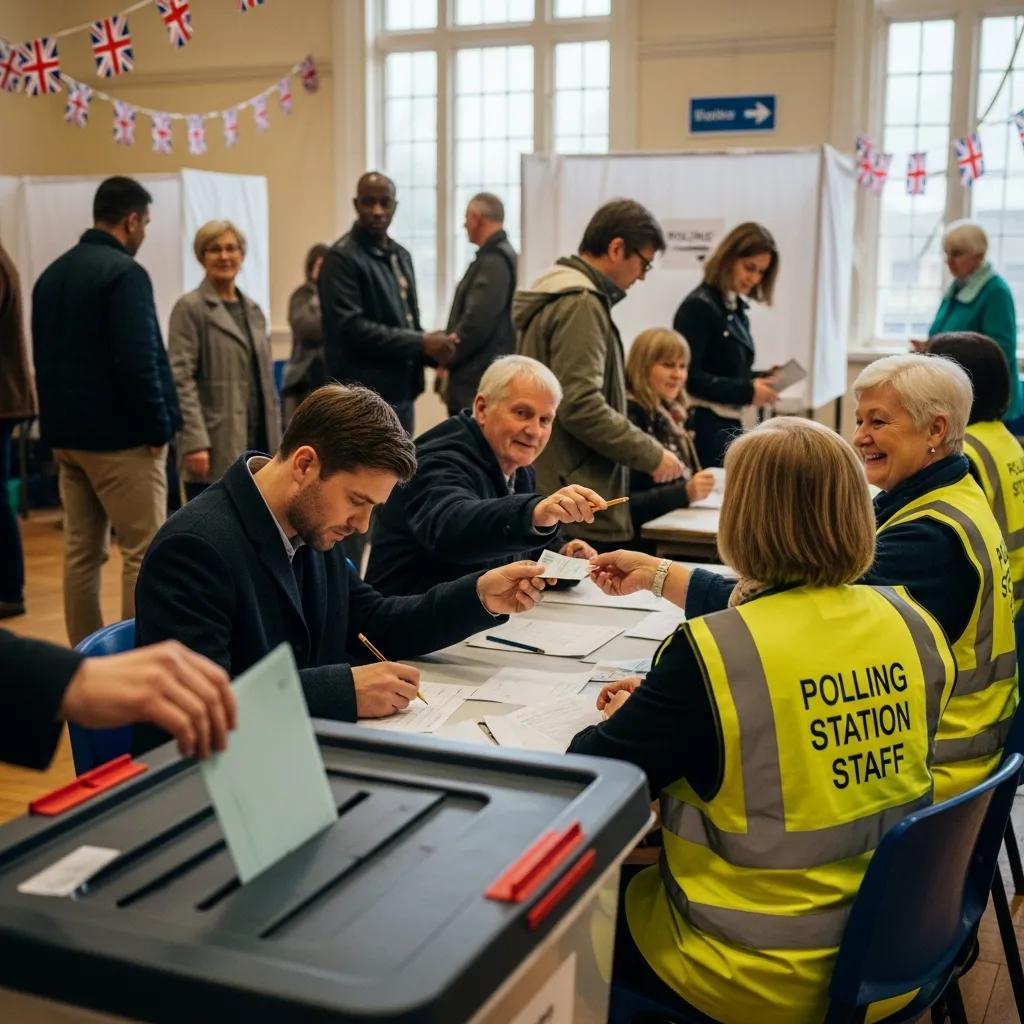
Election outcomes can dramatically shape housing policy and property investment. For example, a government that prioritizes housing affordability may implement policies that encourage the construction of social housing, while a government focused on economic growth may favor deregulation and private investment. These shifts can lead to fluctuations in property values and investment opportunities, making it crucial for investors to stay informed about political developments.
Historical data further illustrates the profound impact of general elections on the housing market, with shifts in government often correlating with changes in house prices.
UK General Elections & House Price Impact
There have been 16 UK general elections since 1959, leading to six changes of government. On eight occasions, the Conservatives won the most seats while Labour won the most.
United Kingdom general elections and the impact on house prices, B Aha, 1959
What Legislative Changes Have Recently Impacted UK Construction and Property?
Recent legislative changes have had a profound impact on the construction and property sectors in the UK. Understanding these reforms is essential for stakeholders in the housing market.
Which recent housing policy reforms have been enacted by the UK Government?
The UK Government has enacted several housing policy reforms aimed at addressing the housing crisis. These include measures to increase the supply of affordable housing, changes to planning regulations to streamline the development process, and initiatives to support first-time buyers. Such reforms are designed to make housing more accessible and affordable for the general population.
How do construction regulations evolve with political decisions?
Construction regulations in the UK are closely tied to political decisions, often reflecting the priorities of the governing party. For instance, a government focused on sustainability may introduce stricter environmental regulations for new developments, while a party prioritizing economic growth may relax certain regulations to expedite construction. These evolving regulations can significantly impact the construction industry and housing availability.
How Has UK Political History Influenced Current Housing Trends?
The political history of the UK has played a crucial role in shaping current housing trends. Understanding this historical context provides valuable insights into the present-day housing market.
What major political events have shaped UK housing markets over time?
Several major political events have influenced the UK housing market, including the post-World War II housing boom, the introduction of right-to-buy policies in the 1980s, and the financial crisis of 2008. Each of these events has left a lasting impact on housing supply, affordability, and market dynamics, shaping the landscape we see today.
The ‘Right to Buy’ policy, specifically, represents a significant historical intervention by the Conservative Party that fundamentally altered the housing landscape.
History of Conservative Right to Buy Housing Policy
‘Right to Buy’ was contingent on the changing socio-economic context of the post-war decades, and determined by the specific nature of the British housing market.
‘Right to Buy’: the development of a Conservative Housing Policy, 1945–1980, 1945
How have Brexit and post-Brexit policies affected property investment?
Brexit has introduced significant uncertainty into the UK housing market, affecting property investment patterns. The departure from the EU has led to changes in immigration policies, economic conditions, and regulatory frameworks, all of which influence investor confidence and market stability. Post-Brexit policies aimed at attracting foreign investment and stimulating the housing market will continue to shape the landscape in the coming years.